


Quick Answer
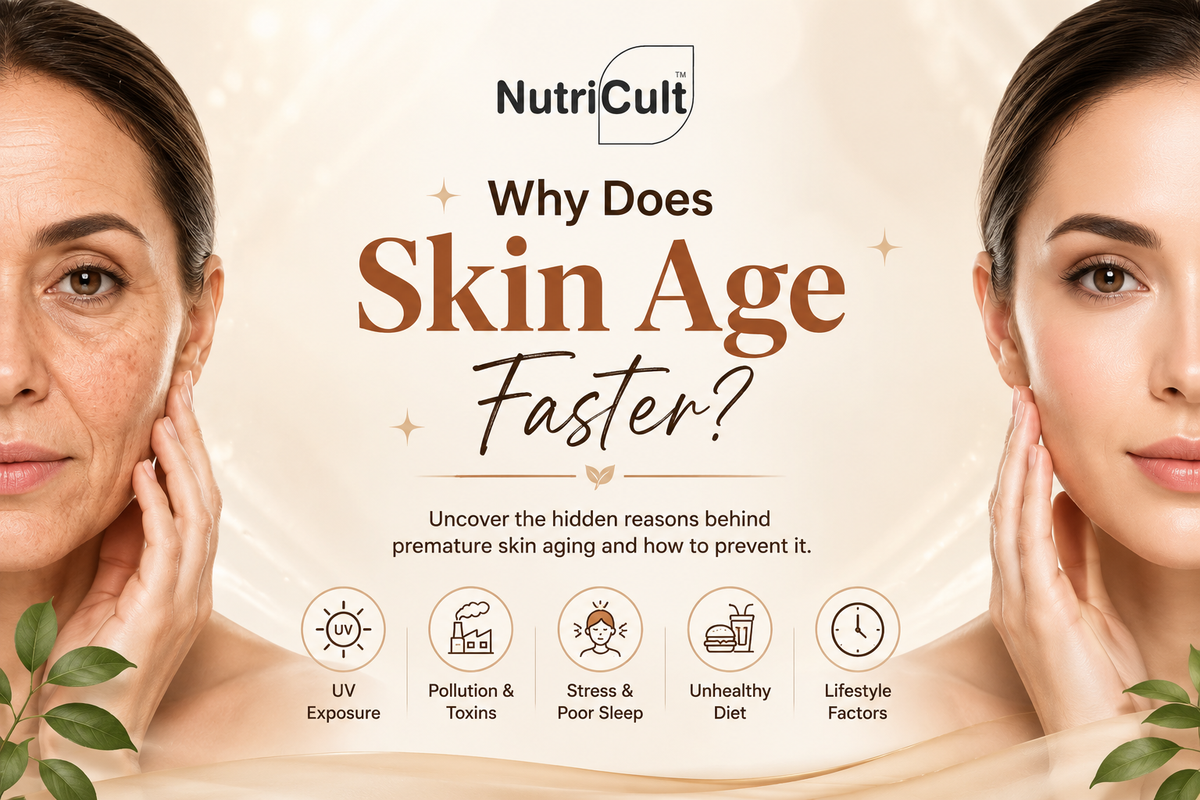
Skin ages faster because of two overlapping processes: intrinsic aging, the natural, genetically timed decline in collagen and cell turnover, and extrinsic aging, damage caused by sun exposure, sugar, pollution, poor sleep, and lifestyle habits. Research published in the Indian Journal of Dermatology (2025) confirms that these two pathways work together, and UV exposure alone is linked to up to 80 to 90 percent of visible facial aging signs, according to the Skin Cancer Foundation and a widely cited 2013 study by Flament et al. Slowing visible aging comes down to managing what you can control: sun protection, blood sugar, sleep, and nutrient intake.
Intrinsic vs. Extrinsic Aging: What's Actually Happening to Your Skin
Dermatologists split skin aging into two categories. Intrinsic aging is chronological. It happens on a schedule set by your genes, regardless of how you live. Extrinsic aging is environmental. It is caused by things you are exposed to every day, and it is where most of the "faster than expected" aging comes from.
A 2025 review in the Indian Journal of Dermatology describes skin aging as the result of synergistic effects between age-dependent decline in cell function and environmental insults working together, producing coarseness, wrinkling, hyperpigmentation, and sagging over time. In practice, this means two 35-year-olds with identical genetics can look years apart in age, depending on sun exposure, diet, and sleep quality.
Collagen Decline Is the Biological Clock Underneath It All
Collagen is the structural protein that keeps skin firm and elastic. A landmark study by Varani et al., published in the American Journal of Pathology (2006), found that collagen secretion from skin fibroblasts drops by roughly 38 percent between age 25 and age 80. Most dermatology researchers now estimate the annual decline at around 1 to 1.5 percent starting in the mid-20s. The change is invisible at first. By the mid-30s and 40s, the cumulative loss shows up as thinner skin, fine lines, and reduced bounce-back after stretching.
Fibroblasts, the cells responsible for producing collagen, do not stop working. They simply produce less procollagen while the enzymes that break down existing collagen, called matrix metalloproteinases, continue at their usual pace. That shift from net collagen gain to net collagen loss is the underlying mechanism behind almost every visible sign of aging.
Why Skin Ages Faster Than It Should: The Main Accelerators
1. Sun Exposure (Photoaging)
Sun damage is, by a wide margin, the biggest accelerator of visible skin aging. The Skin Cancer Foundation states that photoaging is responsible for approximately 90 percent of visible skin changes. A separate clinical study by Flament and colleagues, involving nearly 300 women, found that sun exposure accounted for 80.3 percent of the visible aging observed on participants' faces. UVA rays penetrate into the dermis and break down collagen and elastin fibers directly, while both UVA and UVB trigger oxidative stress that accelerates cellular damage.
2. Sugar and Glycation
Every time blood sugar spikes, some of that glucose binds to collagen and elastin fibers through a process called glycation, forming compounds known as advanced glycation end-products, or AGEs. A review in Skin Therapy Letter explains that AGEs create stiff, brittle cross-links in collagen, making skin less flexible and more prone to wrinkling. Cooking methods matter too. Grilling, frying, and roasting generate significantly more AGEs in food than boiling or steaming, according to the same review.
3. Chronic Stress and Poor Sleep
Cortisol, the stress hormone, breaks down collagen when it stays elevated for long periods. Sleep is when the skin does most of its repair work, including collagen synthesis and cell turnover. Skimping on sleep consistently interrupts this repair cycle, leaving skin looking duller and less resilient over time.
4. Nutrient Gaps
Collagen synthesis depends on specific nutrients, particularly vitamin C, zinc, copper, and amino acids like glycine and proline. A 2022 review in Antioxidants explains that ascorbic acid (vitamin C) is a required cofactor for collagen gene expression and maturation, meaning a diet low in vitamin C can directly slow the body's ability to rebuild collagen, independent of age.
5. Pollution, Smoking, and Alcohol
Airborne particulate matter and cigarette smoke both generate free radicals that damage skin cells and accelerate collagen breakdown. Alcohol dehydrates skin and depletes vitamin A, a nutrient involved in cell turnover.
Nutrition Table: Foods That Support Younger Looking Skin
|
Food |
Key Nutrient (per 100g) |
Source |
Why It Matters for Skin |
|
Amla (Indian gooseberry) |
~600 mg vitamin C |
ICMR-NIN, Indian Food Composition Tables 2017 |
Supports collagen synthesis; roughly 11 times the vitamin C of an orange by weight |
|
Guava |
228.3 mg vitamin C |
USDA FoodData Central |
High-antioxidant fruit that helps counter UV-driven oxidative stress |
|
Walnuts |
9 g omega-3 (ALA) |
USDA FoodData Central |
Supports the skin barrier and helps reduce inflammation-driven aging |
|
Sunflower seeds |
35.2 mg vitamin E |
USDA FoodData Central |
Works alongside vitamin C as an antioxidant that protects skin lipids |
A diet built around these foods will not reverse chronological aging, but it gives the skin the raw materials collagen synthesis actually requires. For a deeper look at how specific compounds like lycopene support skin from the inside, our piece on using tomatoes for skin care breaks down what the research does and does not support.
How to Look Younger: Practical, Evidence-Based Steps
Anti Aging Tips That Address the Root Causes
Wearing broad-spectrum SPF 30 or higher daily is the single highest-leverage habit, given how much visible aging traces back to UV exposure. Beyond sunscreen, a short list of habits consistently shows up across dermatology literature:
- Apply sunscreen every morning, including cloudy days, since up to 80 percent of UV rays pass through cloud cover.
- Limit added sugar and ultra-processed food to reduce glycation load.
- Prioritize 7 to 9 hours of sleep to support the skin's nightly repair cycle.
- Include a vitamin C source with most meals rather than relying on one large dose.
- Avoid smoking, and limit alcohol intake.
How to Make Skin Look Younger With Antioxidants
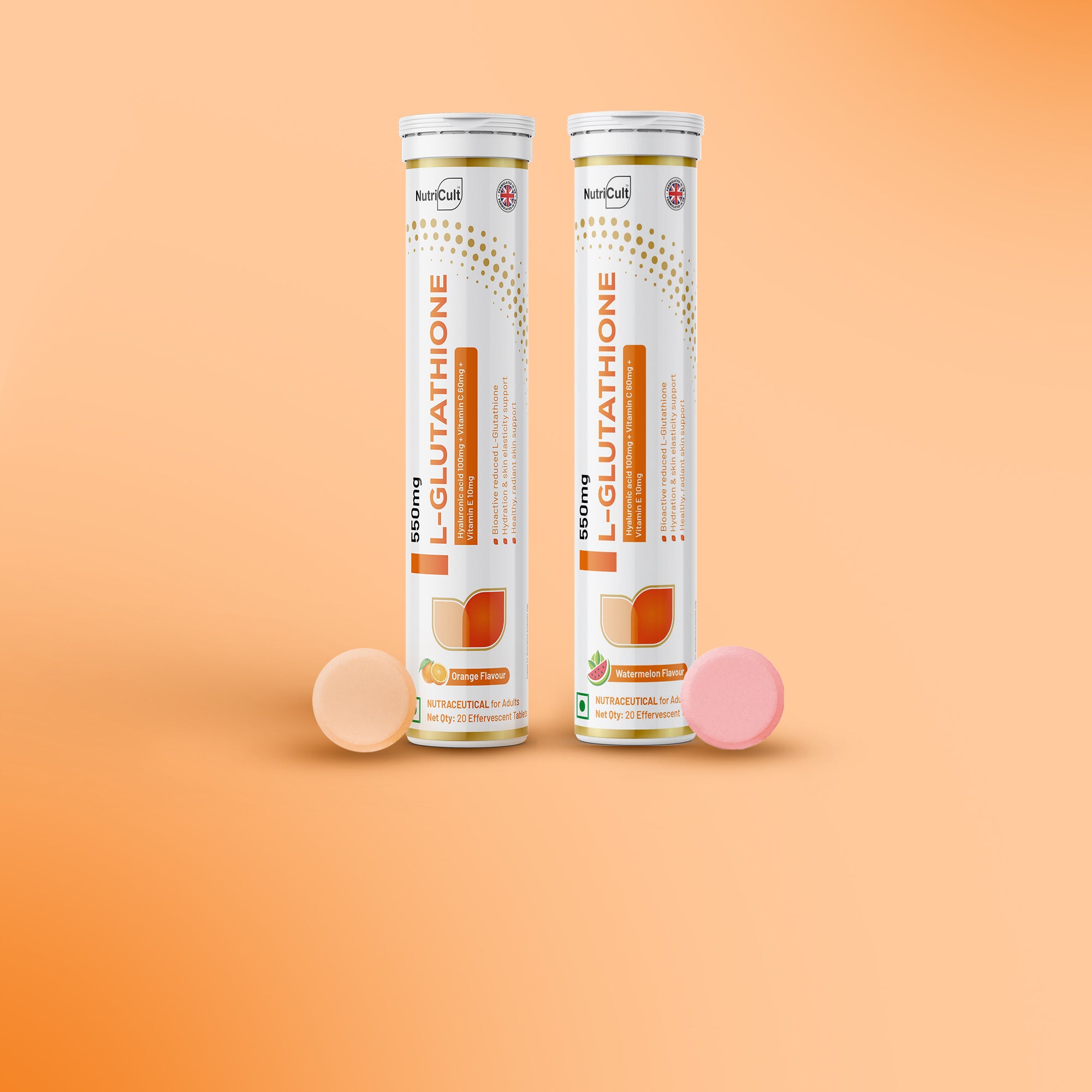
Topical and dietary antioxidants work through different but complementary paths. Topical vitamin C serums target free radicals at the skin's surface, while dietary antioxidants from foods like amla, guava, and colorful vegetables support the skin from within. Glutathione, often called the body's master antioxidant, has drawn interest for its role in oxidative stress management and skin clarity. If you're exploring supplementation, our glutathione builder capsules are formulated around this mechanism, though supplements should complement, not replace, sun protection and diet basics.
How to Make Your Face Look Younger: Addressing Uneven Tone
Fine lines are only part of the picture. Dark spots, dullness, and uneven tone contribute just as much to how "aged" skin looks. Post-inflammatory pigmentation, sun spots, and melanin buildup often develop alongside collagen loss. If pigmentation is your main concern, our guide to reducing dark spots and pigmentation covers active ingredients like niacinamide and alpha arbutin in more depth, and this piece on managing melanin naturally walks through dietary and topical options side by side.
Caution and Side Effects to Keep in Mind
Vitamin C serums and AHA or BHA exfoliants can irritate sensitive skin, particularly at high concentrations or when introduced too quickly. Always patch test a new product on your inner arm before applying it to your face. People with active eczema, rosacea, or a diagnosed skin condition should consult a dermatologist before starting any new topical or dietary anti-aging routine, since results and tolerances vary widely from person to person. Citrus-based DIY treatments, including raw lemon or tomato applied directly to skin, can cause irritation in some individuals and are not a substitute for formulated, stability-tested skincare products.
FAQ
How to look younger without cosmetic procedures?
Consistent sun protection, a lower-sugar diet, adequate sleep, and antioxidant-rich foods address the biggest drivers of visible aging. None of these produce overnight results, but research consistently links them to slower collagen breakdown over months and years.
How to make skin look younger starting today?
Start with daily SPF and a vitamin C-containing skincare step in the morning. These two habits target the two biggest accelerators of visible aging: UV damage and oxidative stress.
How to make my face look younger if I already have fine lines?
Fine lines will not fully reverse without professional treatment, but consistent sun protection prevents further collagen breakdown, and ingredients like vitamin C, niacinamide, and retinoids can visibly soften texture over 8 to 12 weeks of regular use.
What are the most effective anti aging tips backed by research?
Daily sunscreen, limiting sugar and processed food, sleeping 7 to 9 hours, and getting enough vitamin C, zinc, and omega-3s are the habits most consistently supported by dermatology and nutrition research.
Does diet actually affect younger looking skin?
Yes. Vitamin C is a required cofactor for collagen production, and diets high in sugar accelerate glycation, a process that stiffens and damages existing collagen. Diet will not replace sunscreen, but it works alongside it.
Related Reads
This article is for general educational purposes and is not a substitute for personalized medical or dermatological advice. Consult a qualified doctor or dermatologist before starting any new supplement, skincare treatment, or significant dietary change, especially if you have an existing skin condition or are pregnant or breastfeeding.


