


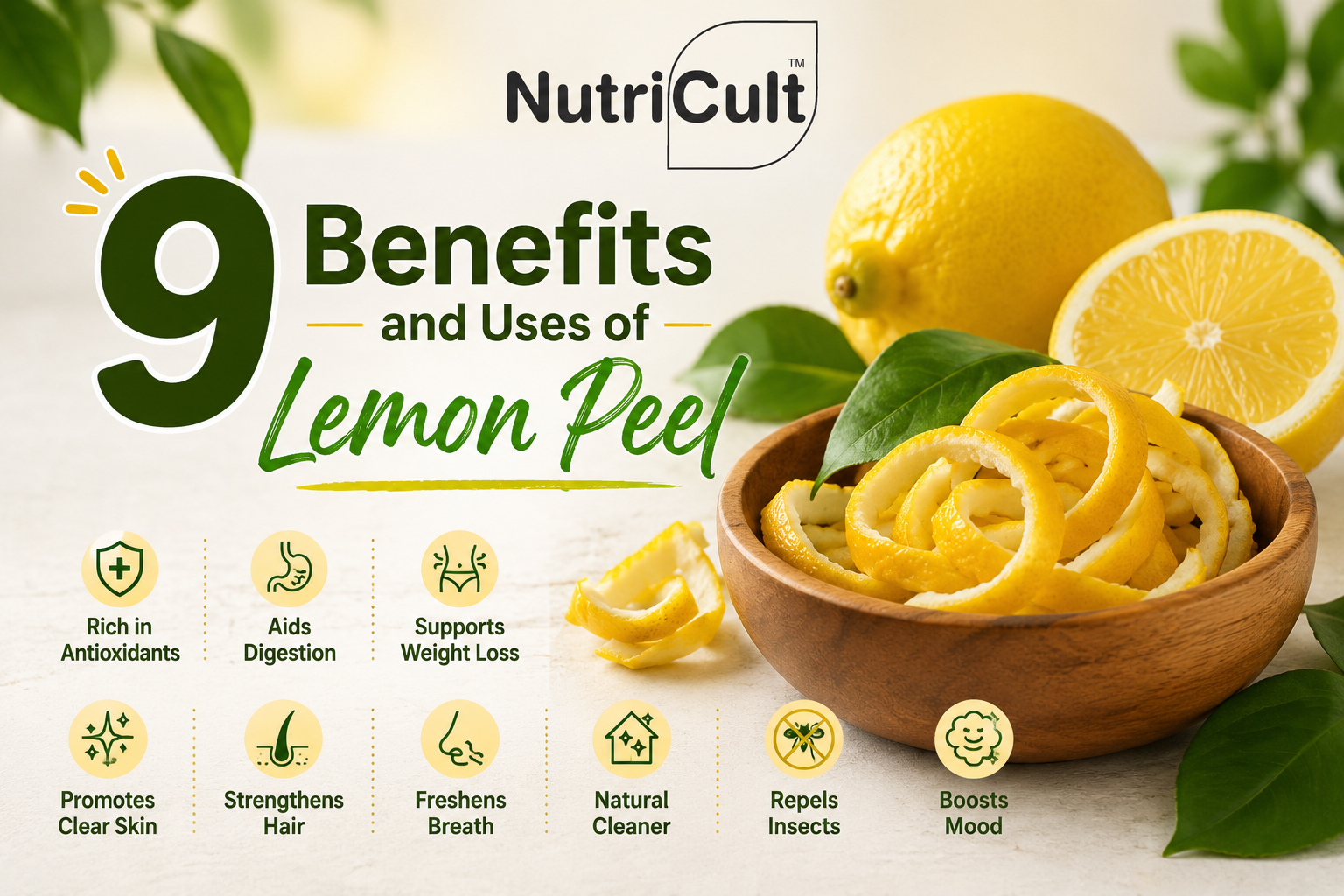
Lemon peel contains up to five times more vitamin C, fiber, and antioxidants than lemon juice, yet most people throw it away. One tablespoon of lemon peel provides around 9% of your daily vitamin C needs, along with calcium, potassium, pectin, and flavonoids like D-limonene and hesperidin. The next time you juice a lemon, consider saving the peel before it hits the compost bin.
Here are nine evidence-backed benefits and practical ways to use it.
1. A Concentrated Source of Vitamin C
Lemon peel delivers a meaningful dose of vitamin C, a nutrient essential for immune function, collagen production, and iron absorption. Consuming vitamin C-rich foods has been linked to a lower risk of stroke and cardiovascular disease. Because the peel contains more vitamin C by weight than the juice, using zest in cooking or tea is an easy way to boost intake without extra sugar or acidity.
2. Supports Heart Health
The flavonoids, pectin, and D-limonene in lemon peel may work together to support cardiovascular health. Pectin helps lower LDL cholesterol by binding to it in the digestive tract, while flavonoids reduce oxidative stress linked to plaque buildup in arteries. Hesperidin, found predominantly in the peel rather than the pulp, has documented anti-inflammatory and antibacterial properties as well.
3. Fights Bacteria That Cause Cavities and Gum Disease
Researchers have identified compounds in lemon peel with antibacterial activity against Streptococcus mutans, the bacteria most responsible for tooth decay and gum infections. One test-tube study found that lemon peel extract inhibited this bacteria's activity, with stronger effects at higher concentrations. This does not replace brushing and flossing, but it adds another layer of oral health support.
4. A Genuine Antioxidant Powerhouse
D-limonene, the compound responsible for lemon's distinctive aroma, is concentrated in the peel and functions as a potent antioxidant. One test-tube study found lemon peel had stronger antioxidant activity than grapefruit or tangerine peel. Antioxidants like D-limonene and vitamin C help neutralize free radicals, molecules linked to accelerated aging and chronic disease.
5. May Support Bone Health
Lemon peel's combination of calcium and vitamin C is relevant for bone maintenance, since vitamin C plays a role in collagen synthesis, a key structural component of bone tissue. Animal research has shown ascorbic acid may help in managing osteoporosis, though more human studies are needed before drawing firm conclusions for lemon peel specifically.
6. Antimicrobial and Antifungal Properties
Beyond oral bacteria, lemon peel extract has shown activity against a broader range of microorganisms in laboratory studies, including antibiotic-resistant bacteria strains and a drug-resistant fungus associated with skin infections. These findings are still early stage and largely limited to test-tube research, but they point to lemon peel's potential beyond the kitchen.
7. A Natural Skin Exfoliant
Lemon peel contains citric acid, which helps slough away dead skin cells and can gently address sun-damaged outer layers of skin, potentially reducing the appearance of fine lines and dark spots over time. Vitamin C in the peel also supports collagen production, contributing to firmer skin.
Never apply raw lemon peel directly to your skin. Dilute it with a carrier oil like olive or coconut oil, and always patch test first, since concentrated citrus extracts can irritate or dry out sensitive skin.
8. Immune System Support
The vitamin C and flavonoid content in lemon peel work together to support immune function. A review of 82 studies found that 1 to 2 grams of daily vitamin C reduced the duration and severity of the common cold by 8% in adults and 14% in children. While lemon peel alone will not deliver that full dose, it contributes meaningfully alongside other vitamin C sources.
9. A Natural Household Cleaner
Beyond nutrition, lemon peel's antibacterial and antimicrobial compounds make it useful around the house. Combined with vinegar, it creates an effective all-purpose surface cleaner. Ground lemon peel run through a garbage disposal helps eliminate lingering food odors, and the peel can also be added to sugar containers to help keep brown sugar from hardening.
How to Use Lemon Peel Safely
Zest is the easiest entry point: grate the outer yellow layer (avoiding the bitter white pith) into teas, baked goods, dressings, or marinades. Dried lemon peel steeped in hot water for five to seven minutes makes a caffeine-free tea. Because pesticide residue can concentrate on citrus skins, choose organic lemons when possible, or wash conventional lemons thoroughly with a vinegar and baking soda solution before using the peel.
The Bottom Line
Lemon peel is not a byproduct to discard. It is arguably the most nutrient-dense part of the fruit, offering more vitamin C, fiber, and antioxidants than the juice most people focus on. Whether you are zesting it into a recipe, brewing it as tea, or diluting it into a homemade skin scrub, lemon peel deserves a second look before it ends up in the trash.
Frequently Asked Questions
Can you eat lemon peel raw?
Yes, in small amounts. The zest, the outer yellow layer, is generally palatable, while the white pith underneath tends to be quite bitter and is usually avoided.
Is lemon peel safe for daily consumption?
For most people, small daily amounts of lemon zest in food or tea are safe. Those with acid reflux or citrus sensitivities should introduce it gradually and monitor how their body responds.
Does lemon peel help with weight management?
The pectin in lemon peel is a soluble fiber that may promote feelings of fullness, which can indirectly support weight management, though it is not a standalone solution.
Can lemon peel be applied directly to acne?
No. Raw lemon peel is too concentrated and acidic to apply directly to skin, especially active breakouts. It should always be diluted with a carrier oil and patch tested first.
How should lemon peel be stored?
Fresh zest can be refrigerated for a few days in an airtight container or frozen for longer storage. Dried lemon peel keeps well for several months in a sealed jar away from direct light and moisture.


