


Polycystic ovary syndrome affects a large share of women of reproductive age, and Indian data shows just how wide the range can be. Depending on diagnostic criteria and region, prevalence estimates in India span from 3.7% to 22.5%, and a nationwide study published in JAMA Network Open using Rotterdam criteria put the weighted figure at 19.6% among women aged 18 to 40.
Supplements will not cure PCOS. What a well-chosen supplement can do is support the metabolic and hormonal systems that PCOS disrupts, particularly insulin sensitivity, inflammation, and micronutrient gaps that are common in this condition. This guide walks through the pcos supplements with genuine clinical evidence behind them, how they relate to pcos weight loss, and where caution is needed.
Quick Answer
The best supplements for PCOS, based on current research, are myo-inositol (often combined with D-chiro-inositol), vitamin D, omega-3 fatty acids, magnesium, N-acetylcysteine (NAC), and coenzyme Q10.
Inositol has the strongest evidence for improving insulin sensitivity and menstrual regularity. Vitamin D and omega-3 support hormonal balance in women who are deficient. For pcos weight loss specifically, no single supplement replaces diet and movement, but insulin-sensitising nutrients like inositol and magnesium can make weight management easier. Always confirm doses with a doctor, especially alongside metformin or fertility medication.
Why Nutrition and Supplements Matter in PCOS
PCOS is not one condition with one cause. It is a cluster of hormonal and metabolic features, usually some combination of irregular ovulation, elevated androgens, and insulin resistance. A large ICMR-backed multi-site task force study on reproductive-age Indian women found that a substantial share of participants with PCOS also carried excess weight, dyslipidaemia, or early markers of metabolic syndrome, which is why nutrition sits at the centre of most treatment plans rather than at the edge of one.
Insulin resistance deserves particular attention. When cells respond poorly to insulin, the body produces more of it, and excess insulin pushes the ovaries to make more androgens. That cycle worsens acne, irregular periods, and weight gain. Several of the supplements below work specifically on this insulin pathway, which is why they show up so consistently in PCOS research.
Best Supplements for PCOS, Backed by Research
The following list reflects supplements for pcos with the most consistent clinical trial support, not general wellness trends. Evidence strength varies by supplement, so dosages and expectations are noted for each.
1. Myo-Inositol and D-Chiro-Inositol
Inositol is a naturally occurring compound related to the B-vitamin family, and it acts as a secondary messenger for insulin signalling. A 2018 meta-analysis of randomised controlled trials published in Endocrine Connections found that myo-inositol supplementation improved insulin sensitivity, reduced fasting insulin, and supported more regular ovulation in women with PCOS.
Clinical research generally favours a 40:1 ratio of myo-inositol to D-chiro-inositol, which mirrors the natural ratio found in ovarian tissue. The 2023 international evidence-based PCOS guideline notes that inositol should not be used as a stand-alone fertility treatment, though it can meaningfully support metabolic and ovulatory function alongside medical care. Typical studied doses range from 2 to 4 grams of myo-inositol daily, taken with or without a small amount of D-chiro-inositol.
2. Vitamin D
Vitamin D deficiency is unusually common in PCOS. Research summarised in fertility-focused clinical guides estimates that between 67% and 85% of women with PCOS have insufficient vitamin D levels. A systematic review and meta-analysis in Frontiers in Endocrinology linked vitamin D supplementation to improved ovulation and pregnancy rates in deficient women, and separate trial data found reductions of 12% to 17% in total testosterone and androgen levels after three months of consistent supplementation.
A blood test is the only reliable way to know whether supplementation is needed and at what dose. Self-prescribing high-dose vitamin D without testing can lead to toxicity over time, so this is one supplement worth discussing with a doctor before starting.
3. Omega-3 Fatty Acids
Omega-3s, found in fatty fish and fish oil supplements, have anti-inflammatory and insulin-sensitising properties. A 2023 systematic review and meta-analysis published in Reproductive Biology and Endocrinology reported measurable improvements in lipid profiles and insulin resistance markers among women with PCOS who supplemented with omega-3 fatty acids over 8 to 12 weeks.
Nutrition guidelines generally recommend two servings of cold-water fish per week. For those who do not eat fish regularly, a fish oil or algae-based supplement is a reasonable substitute, typically dosed between 1 and 3 grams of combined EPA and DHA daily.
4. Magnesium
Magnesium plays a direct role in glucose metabolism, and low magnesium status has been associated with worse insulin resistance in several PCOS cohorts. Because magnesium also supports muscle relaxation and sleep quality, it is one of the more broadly tolerated options on this list.
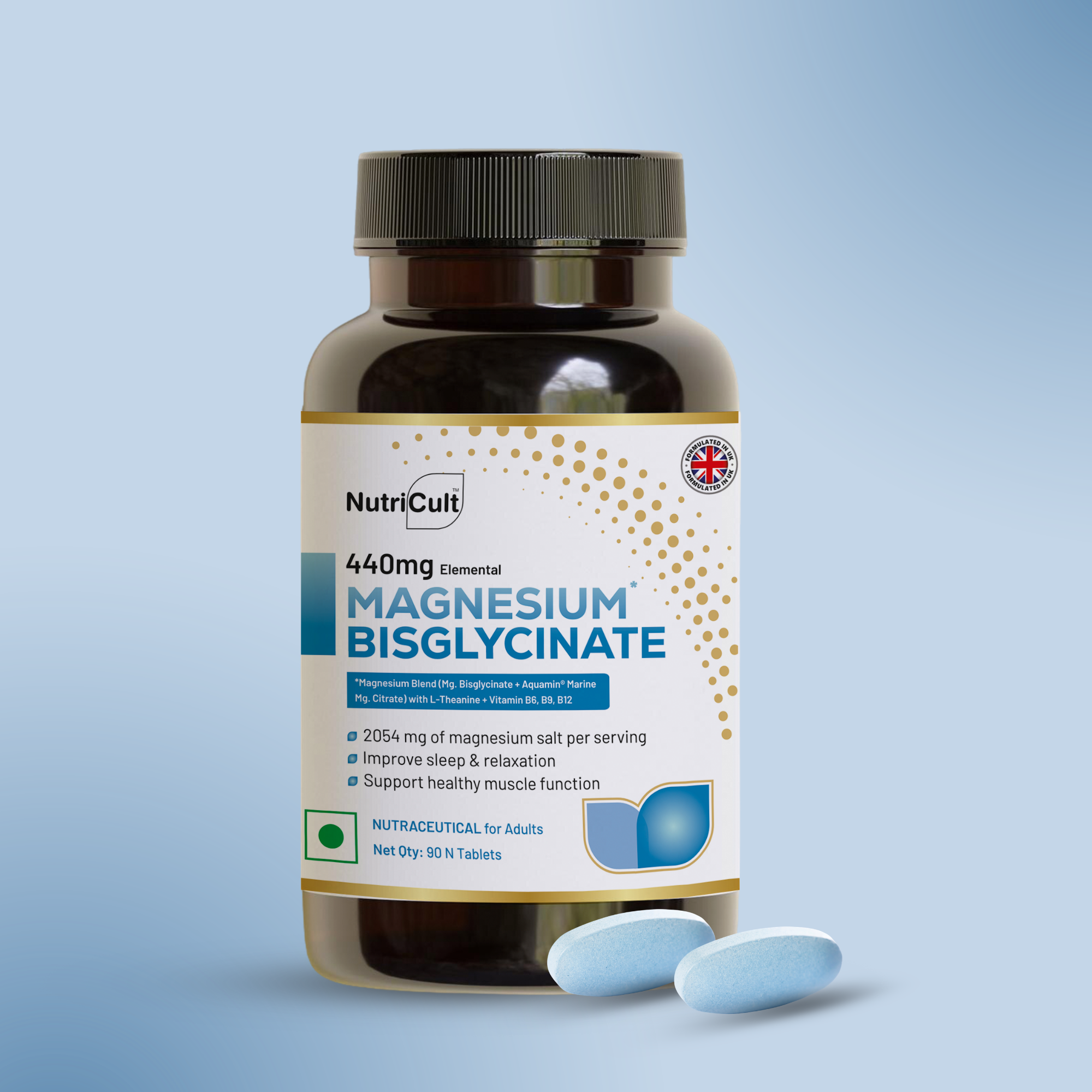
Nutricult's Magnesium BisGlycinate uses a chelated form that is generally gentler on digestion than magnesium oxide, which matters for anyone already managing PCOS-related bloating or gut sensitivity.
5. N-Acetylcysteine (NAC)
NAC is an amino acid derivative with antioxidant properties, and it has been studied specifically as an add-on to fertility treatment in PCOS. A randomised, double-blind trial of 130 women found that adding NAC to letrozole therapy produced more mature ovarian follicles and a modest but statistically significant improvement in pregnancy rate compared with letrozole alone. NAC is generally well tolerated, though it should be used under medical supervision during fertility treatment or pregnancy.
6. Coenzyme Q10 (CoQ10)
CoQ10 supports cellular energy production and has antioxidant effects that may help offset the oxidative stress associated with PCOS. Clinical evidence, while still developing compared with inositol or vitamin D, points to modest improvements in insulin parameters and lipid profiles with consistent use over several months.
For anyone building a supplement stack, Nutricult's CoQ10 capsules are a straightforward way to add this nutrient without needing to track multiple separate antioxidant products.
7. Probiotics
Gut microbiome composition differs between women with and without PCOS, and emerging research links certain probiotic strains to improved insulin sensitivity and reduced inflammatory markers. The evidence here is earlier stage than inositol or vitamin D, but probiotics carry a favourable safety profile and can help with the bloating and digestive discomfort many women with PCOS report alongside their hormonal symptoms.
If digestive symptoms are part of the picture, our guide on what causes a bloated stomach covers the gut-related triggers worth ruling out, and Nutricult's Probiotic Sticks are formulated for daily gut support.
Best Supplements for PCOS Weight Loss
Weight management in PCOS is complicated by insulin resistance itself. Higher circulating insulin promotes fat storage and makes fat loss slower than it would be for someone without the condition, which is why generic weight loss advice often falls short.
Among supplements studied for pcos weight loss specifically, inositol and magnesium have the most direct mechanistic link, since both act on insulin signalling rather than appetite alone. Omega-3s can help indirectly by improving how the body handles fats and sugars. Apple cider vinegar has gained popularity as a blood-sugar-support supplement, and small trials suggest it may modestly blunt post-meal glucose spikes, though it is not a substitute for the insulin-focused options above and works best as one piece of a broader routine.
Nutricult's Apple Cider Vinegar Tablets with Green Tea & Green Coffee were formulated with this kind of metabolic support in mind, and our weight management collection groups several of these options together for anyone building a routine around insulin resistance.
Supplements aside, the two changes with the most consistent research support in PCOS weight management remain resistance training and a lower glycaemic-load diet. For a broader look at why weight loss stalls even with effort, see our article on why you may not be losing weight.
Vitamins for PCOS: A Quick Nutrient Checklist
Beyond the core supplements above, several individual vitamins show up repeatedly in PCOS nutrition research, either because deficiency is common or because they support a specific symptom cluster.
- Vitamin B12: Long-term metformin use, a common PCOS medication, is linked to lower B12 levels over time, so periodic testing is worthwhile. Our B12 vs B Complex guide explains the difference if you are choosing between the two.
- Vitamin E: Studied in small trials for its antioxidant role in follicle quality, though evidence remains limited compared with inositol or vitamin D.
- Zinc: Associated with improved hair and skin outcomes in PCOS, particularly for those dealing with hirsutism or acne.
-
Chromium: Investigated for glucose metabolism support, though results across trials have been inconsistent.
PCOS Supplement Comparison Table
|
Supplement |
Typical Studied Dose |
Primary Benefit |
Evidence Strength |
|---|---|---|---|
|
Myo-inositol (+ D-chiro-inositol) |
2,000-4,000 mg/day (40:1 ratio) |
Insulin sensitivity, ovulation |
Strong |
|
Vitamin D |
Based on blood test results |
Hormone balance, ovulation |
Strong (if deficient) |
|
Omega-3 fatty acids |
1,000-3,000 mg EPA/DHA per day |
Inflammation, lipid profile |
Moderate to strong |
|
Magnesium |
200-400 mg/day |
Glucose metabolism, sleep |
Moderate |
|
NAC |
600-1,800 mg/day |
Fertility support, antioxidant |
Moderate |
|
CoQ10 |
100-200 mg/day |
Cellular energy, insulin markers |
Emerging |
|
Probiotics |
Strain-specific, per label |
Gut health, inflammation |
Early stage |
Doses above reflect ranges commonly used in the clinical trials cited throughout this article. They are not personal recommendations and should be confirmed against your own lab results and health history with a doctor or registered dietitian.

Caution and Possible Side Effects
Most of the supplements covered here have a favourable safety record in the doses studied, but none of them are risk-free for every person.
Inositol can cause mild nausea, gas, or headache at higher doses, particularly above 4 grams per day.
- Vitamin D taken without testing can accumulate to toxic levels over months, since it is fat-soluble and stored in the body.
- Fish oil in high doses can thin the blood, which matters for anyone on anticoagulant medication or scheduled for surgery.
- NAC and berberine-type supplements can interact with metformin and other glucose-lowering medications, sometimes intensifying their effect.
- Pregnancy and breastfeeding change the safety profile of several supplements on this list, so a provider conversation is essential before continuing or starting any of them.
If you experience persistent digestive upset, unusual bruising, or symptoms of low blood sugar after starting a new supplement, stop and speak with a healthcare provider.
Frequently Asked Questions
What are the best pcos supplements to start with?
Most clinicians and PCOS nutrition specialists point to myo-inositol and vitamin D as reasonable starting points, since both have strong trial evidence and address mechanisms common to nearly all PCOS phenotypes. From there, additions like omega-3 or magnesium can be layered in based on individual symptoms and lab results.
What are the best supplements for pcos weight loss specifically?
No supplement replaces a calorie-appropriate, protein-forward diet and regular movement for PCOS weight loss, but inositol and magnesium have the clearest link to the insulin resistance that makes PCOS-related weight loss harder than average. Apple cider vinegar and green coffee-based formulas may offer modest additional support for post-meal blood sugar control.
Are vitamins for pcos safe to take long-term?
Many are, including magnesium, omega-3, and inositol at studied doses. Vitamin D requires periodic blood testing to avoid excess accumulation over long-term use, and any supplement taken alongside metformin, insulin, or fertility medication should be reviewed with a doctor on a regular basis, not just at the start.
How long do supplements for pcos take to work?
Most clinical trials measured outcomes after 8 to 12 weeks of consistent use, and some hormonal markers took closer to three months to shift meaningfully. Supplements are not a fast fix, and stopping and restarting frequently makes it harder to judge whether a given product is actually helping.
Can I take multiple pcos supplements together?
Many women combine two or three of the supplements above, such as inositol with vitamin D, or magnesium with omega-3. The main caution is avoiding duplicate ingredients across different products and checking for interactions with any prescription medication before combining several supplements at once.
Related Reads
Disclaimer
This article is for general informational purposes and does not replace individual medical advice. PCOS presents differently across individuals, and supplement choices, doses, and interactions with existing medication should be reviewed with a doctor, gynaecologist, or registered dietitian before starting any new product.


