


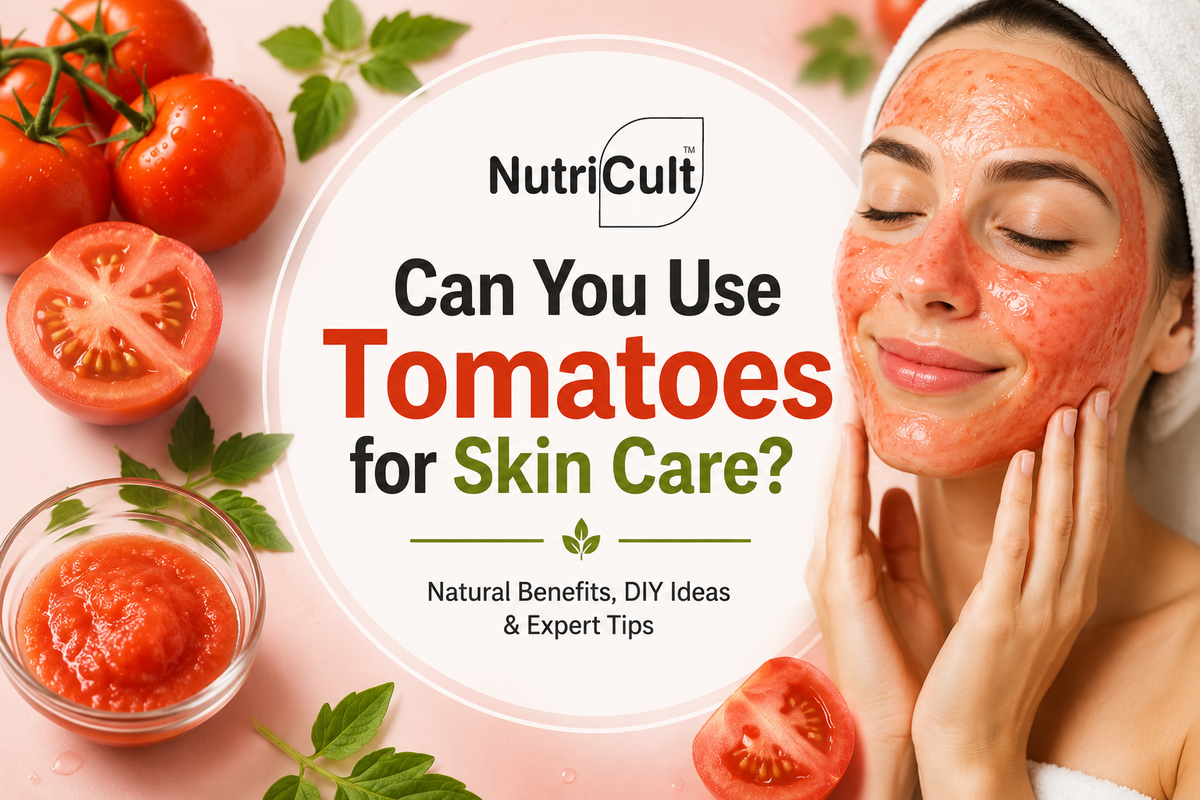
Tomatoes can support skin health, but mainly when eaten rather than applied topically. The lycopene in tomatoes has been shown in clinical studies to reduce UV sensitivity and boost procollagen levels when consumed regularly over several weeks. Topical tomato use, like DIY face masks, has far less scientific backing, even though the idea is popular in home remedy circles.
Here is what the actual research supports, and where the evidence runs thin.
The Case for Eating Tomatoes
Tomatoes are one of the richest dietary sources of lycopene, the carotenoid pigment responsible for their red color. Lycopene functions as a powerful antioxidant, neutralizing free radicals generated by UV exposure and environmental pollution.
A well-cited 2006 study found that after 10 to 12 weeks of consuming lycopene-rich tomato products, participants showed measurably decreased sensitivity to UV radiation. A separate British study went further: volunteers who ate roughly 55 grams of tomato paste daily for 12 weeks had 33% more protection against sunburn compared to a control group, a level of protection researchers compared to an SPF of about 1.3. The same study found significantly higher procollagen levels in the tomato-eating group, a marker linked to firmer, more structurally sound skin. A separate finding presented at the British Society for Investigative Dermatology showed lycopene also reduced damage to mitochondrial DNA in skin cells, which is associated with the aging process.
None of this means tomatoes replace sunscreen. Researchers involved in these studies have been explicit that tomato consumption is, at best, a modest additive to standard sun protection, not a substitute for it.
What About Applying Tomatoes Directly to Skin?
This is where the evidence gets thinner. Some laboratory research has looked at topically applied lycopene and found it may reduce enzyme activity linked to UVB-induced inflammation, and one small trial testing a lycopene cream over 42 days reported a measurable reduction in wrinkles compared to a placebo lotion. However, much of this research involves concentrated, formulated lycopene extracts rather than raw tomato pulp rubbed on the face.
Whether the lycopene in a fresh tomato is absorbed effectively through the skin when applied as a homemade mask remains unclear. Most claims about tomato face masks brightening skin, tightening pores, or fading acne scars come from anecdotal use rather than controlled clinical trials.
Tomatoes as a Natural Exfoliant
One area with somewhat more plausible mechanics is exfoliation. Tomatoes contain natural enzymes and mild acidity that may help loosen and remove dead skin cells when combined with a mild abrasive like sugar. This is a reasonable, low-risk use of tomato pulp at home, closer to a gentle scrub than a treatment with proven biological effects.
Tomatoes, Vitamin C, and Skin Repair
Beyond lycopene, tomatoes are a solid source of vitamin C, with one cup providing around 30 milligrams. Vitamin C is well established in skin science for stimulating collagen production and supporting wound repair, though this benefit is best documented through dietary intake and topical vitamin C serums formulated for stability and skin penetration, not raw tomato application.
Should You Try a DIY Tomato Face Mask?
If you enjoy DIY skincare, a diluted tomato mask is unlikely to cause harm for most skin types, though the acidity can irritate sensitive or broken skin. Always patch test on your inner arm first and avoid the eye area. That said, if your goal is measurable skin benefits, eating tomatoes regularly as part of a balanced diet has stronger evidence behind it than applying them topically.
Practical Ways to Add More Tomatoes to Your Diet
Cooked tomato products, like tomato paste, sauce, and soup, actually have higher bioavailable lycopene than raw tomatoes, since cooking breaks down plant cell walls and makes the lycopene easier for the body to absorb. Pairing tomatoes with a source of healthy fat, like olive oil, further improves lycopene absorption, since it is a fat-soluble compound.
The Bottom Line
Tomatoes deserve a place in a skin-healthy diet, backed by real clinical evidence around sun sensitivity and procollagen production. Topical use is a different story: it is generally safe in moderation but not something dermatology research strongly supports as an effective treatment. If you want tomatoes to work for your skin, the kitchen, not the bathroom counter, is where the evidence points.
Frequently Asked Questions
Can tomatoes replace sunscreen?
No. Even the studies showing sunburn protection from tomato consumption describe an effect comparable to a very low SPF of around 1.3, far below the SPF 30 or higher that dermatologists recommend for daily use.
Is a tomato face mask safe for sensitive skin?
Not always. The natural acidity in tomatoes can irritate sensitive or compromised skin. A patch test is essential before applying any tomato-based mixture to your face.
How much tomato should I eat for skin benefits?
Studies showing measurable effects used daily amounts equivalent to roughly 55 grams of tomato paste over 10 to 12 weeks, though incorporating tomatoes regularly into meals in any cooked form is a reasonable everyday target.
Does cooking tomatoes destroy their nutrients?
No, cooking actually increases the bioavailability of lycopene, meaning your body can absorb more of it from cooked tomato products than from raw tomatoes.
Are tomato-based skincare products different from raw tomatoes?
Yes. Formulated skincare products use stabilized, concentrated lycopene extracts designed for skin penetration, which is different from applying raw tomato pulp, where absorption and stability are less certain.


