


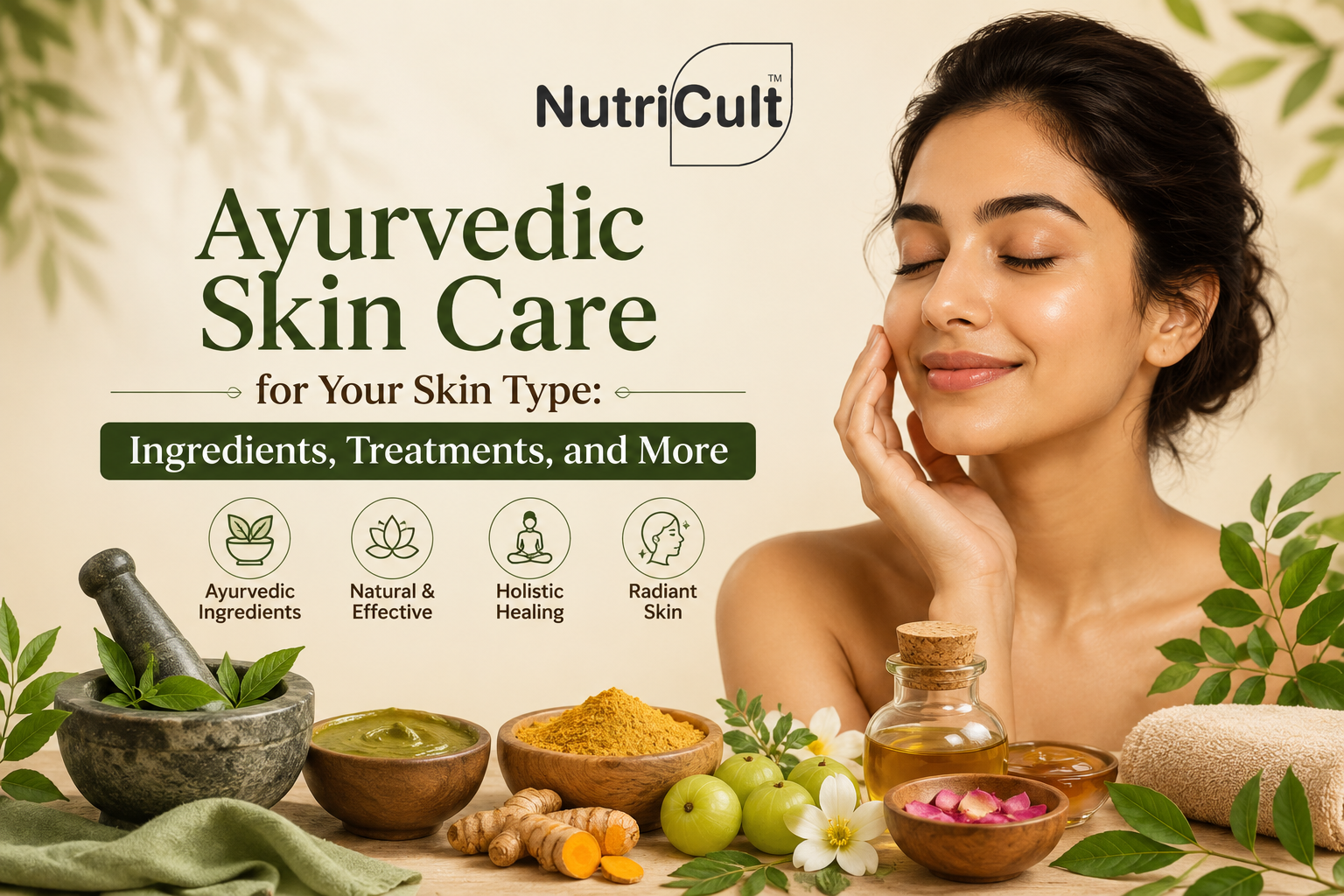
Ayurveda categorizes skin into three types based on the doshas: Vata (dry and thin), Pitta (sensitive and prone to redness), and Kapha (oily and congestion-prone). Each dosha calls for a different approach to cleansing, hydration, and treatment, rather than a one-size-fits-all routine. Identifying your dominant dosha is the starting point for building a skincare plan that Ayurveda considers genuinely personalized.
Below is a breakdown of each skin type, along with the ingredients and routines traditionally recommended for balancing it.
Understanding the Three Doshas
Ayurveda, a traditional system of medicine originating in India, is built around the idea that three biological energies, or doshas, govern the body and mind: Vata, Pitta, and Kapha. Most people carry a combination of all three, though one or two tend to dominate. Your skin reflects this internal balance, and imbalances in a dosha often show up as specific, recognizable skin concerns.
Determining your dosha involves looking at physical traits, skin texture, and how your skin responds to stress, weather, and diet. Many people find they identify most with one primary dosha, while showing secondary traits of another.
Vata Skin: Dry, Thin, and Prone to Fine Lines
Vata skin tends to be dry, rough, and cool to the touch, with a thin texture and fine pores. It shows early signs of aging, including fine lines and flakiness, particularly when the dosha is out of balance. This skin type loses plumpness quickly without consistent nourishment.
Recommended approach: Vata skin benefits from rich, deeply nourishing ingredients.
Cold-pressed oils like sesame oil, along with pure cow's ghee, are traditional choices for restoring moisture. A cleanser that does not strip natural oils is essential, followed by a rich, shea butter-based or ghee-infused moisturizer. Herbal ingredients like saffron and pomegranate are often used to hydrate and brighten Vata-dominant skin.
Pitta Skin: Sensitive, Reactive, and Prone to Redness
Pitta skin runs warm, both literally and in temperament. It is more sensitive than the other types, prone to redness, inflammation, and breakouts, and can flush easily in response to heat, spicy food, or emotional stress. Ayurvedic tradition connects this skin type to the fiery qualities of the Pitta dosha.
Recommended approach: Cooling and soothing ingredients are central to Pitta skin care. Aloe vera calms irritation and hydrates without heaviness, while rose water and cucumber extract help reduce redness and refresh overheated skin. Coconut oil, valued in Ayurveda for its cooling properties, is a common moisturizer choice. Neem is also frequently recommended for Pitta-Kapha combination skin, supporting both calming and clarifying effects.
Kapha Skin: Oily, Thick, and Prone to Congestion
Kapha skin is naturally oily, thick, and smooth, often described as lustrous and slower to show visible signs of aging. When out of balance, however, it becomes prone to excess oil, clogged pores, and dullness. This skin type benefits most from routines that cleanse deeply without over-drying.
Recommended approach: Detoxifying, oil-balancing ingredients work best here. Neem, tea tree oil, and turmeric help control excess sebum and clear congestion. Clay-based cleansers absorb oil effectively, and regular exfoliation, two to three times weekly with a gram flour, turmeric, or coffee scrub, helps prevent clogged pores. A light, oil-free moisturizer keeps skin hydrated without adding unwanted shine. Mustard oil is sometimes used in Ayurvedic Kapha routines to stimulate circulation and reduce oiliness.
A Simple Ayurvedic Routine Framework
Regardless of dosha, Ayurvedic skincare generally follows a similar sequence, adjusted with dosha-specific ingredients at each step:
Cleansing: Choose a cleanser suited to your dosha, gentle and nourishing for Vata, cooling for Pitta, and deep-cleansing for Kapha.
Oil application or toning: Vata and Pitta types often benefit from a facial oil suited to their dosha, while Kapha types may prefer a lightweight herbal toner instead. Rose water works well for hydration and balance across most skin types.
Moisturizing: Match richness to your dosha, heavier for Vata, calming and light for Pitta, oil-free for Kapha.
Sun protection: Ayurveda does not replace modern sun protection. A broad-spectrum sunscreen remains essential daily, regardless of dosha, since none of the traditional oils or herbs offer reliable UV protection on their own.
Common Ayurvedic Ingredients Across Dosha Types
A handful of ingredients appear across multiple dosha-specific routines because of their broadly balancing properties. Turmeric offers anti-inflammatory and antibacterial benefits useful for both Pitta and Kapha skin. Aloe vera hydrates without heaviness, making it suitable for nearly every skin type. Sandalwood, often included in traditional multi-dosha formulations, is valued for its cooling and soothing qualities.
What the Evidence Actually Shows
Ayurvedic skincare has centuries of traditional use behind it, and many of its core ingredients, turmeric, neem, aloe vera, have documented anti-inflammatory or antimicrobial properties in modern research. That said, scientific evidence specifically validating the dosha-based skin typing system itself remains limited, and most clinical studies focus on individual ingredients rather than the broader dosha framework.
Ayurvedic approaches work best as a complement to, not a replacement for, conventional dermatological care, particularly for conditions like eczema, rosacea, or persistent acne that may need medical treatment.
Building Your Personalized Routine
Start by observing your skin honestly: does it lean dry and fine-textured, sensitive and reactive, or oily and thick? From there, choose ingredients that match your dominant dosha rather than following a generic routine built for someone else's skin. Many people find they need a hybrid approach, borrowing cooling Pitta ingredients during summer months even if Vata dominates the rest of the year, since Ayurveda treats seasonal changes as part of the equation too.
Frequently Asked Questions
How do I find out my dosha for skincare purposes?
Look at your skin's natural tendencies: dryness and fine texture point to Vata, sensitivity and redness point to Pitta, and oiliness with thicker texture points to Kapha. Many people show traits of two doshas rather than just one.
Can Ayurvedic skin care treat acne?
Ingredients like neem and turmeric have documented antibacterial and anti-inflammatory properties that may help mild acne, but persistent or severe acne should be evaluated by a dermatologist alongside any Ayurvedic routine.
Is Ayurvedic skin care backed by scientific research?
Individual ingredients like turmeric, neem, and aloe vera have supporting research for specific properties, but the overall dosha-based skin typing system has limited clinical validation compared to conventional dermatological frameworks.
Do doshas change with the seasons?
Ayurveda holds that dosha balance shifts with seasons and lifestyle, which is why many practitioners recommend adjusting routines, such as using lighter, cooling products in summer even for Vata-dominant skin.
Can I combine Ayurvedic skin care with my regular dermatologist-recommended routine?
Yes, for most people. Many Ayurvedic ingredients complement standard skincare, but it is worth discussing specific combinations with a dermatologist, especially if you use prescription treatments like retinoids or are managing a diagnosed skin condition.


