


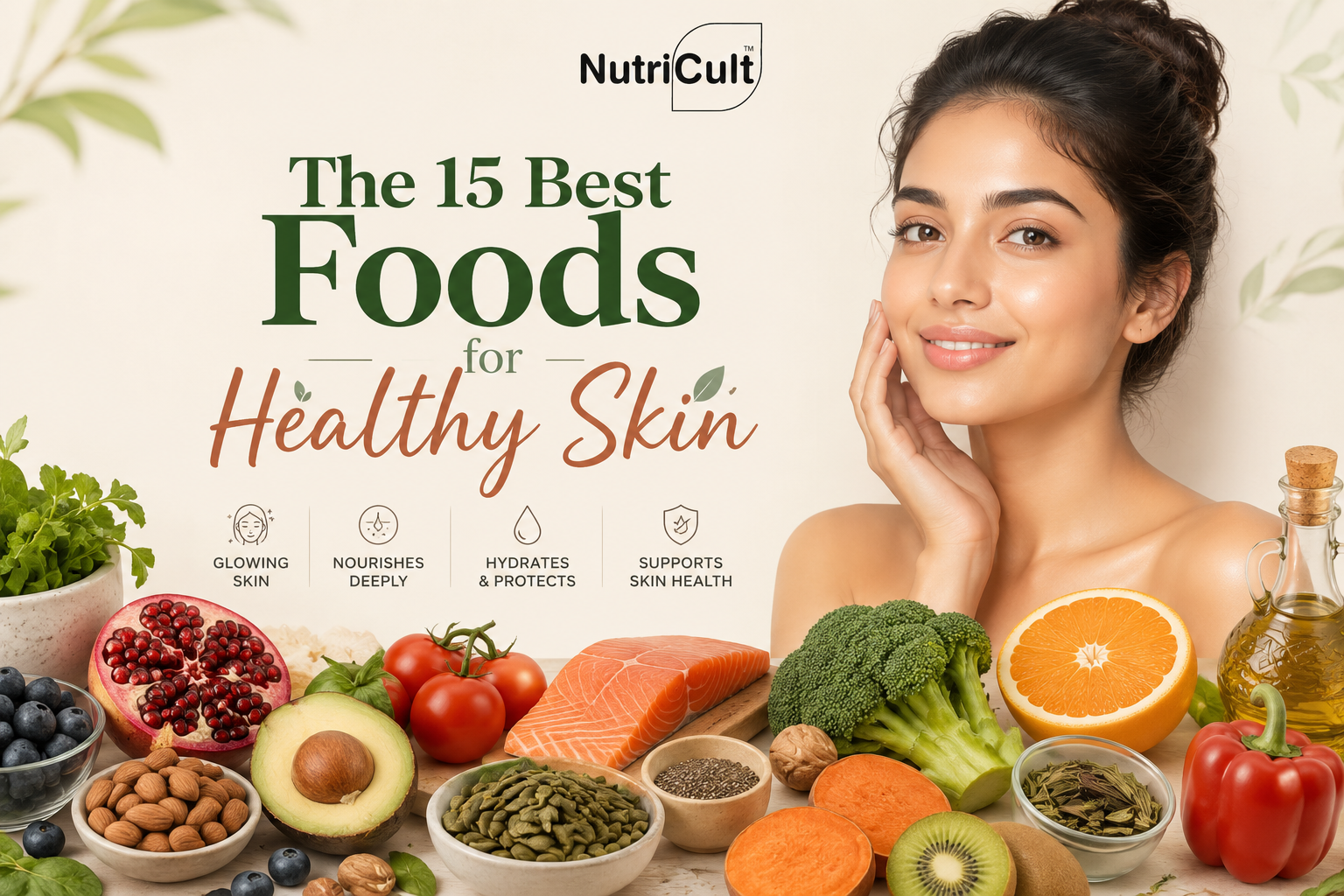
The best foods for healthy skin are rich in vitamin C, vitamin E, omega-3 fatty acids, zinc, and antioxidants like lycopene and beta-carotene. These nutrients support collagen production, protect against UV and pollution damage, and maintain the skin's moisture barrier. A 2024 nutritional dermatology review identified these compounds as the most consistently supported by scientific evidence for skin health.
Below are 15 foods worth prioritizing, organized by the nutrients that make them effective.
1. Fatty Fish (Salmon, Mackerel, Sardines)
Fatty fish are among the richest dietary sources of omega-3 fatty acids, which maintain the skin's lipid barrier and reduce inflammation linked to acne, psoriasis, and eczema. Mackerel alone provides about 2 grams of combined EPA and DHA per 3-ounce serving, the highest of common fish varieties.
2. Avocado
Avocado offers a combination of omega-3 and omega-6 fatty acids along with vitamin K, supporting hydration and skin barrier function. Its healthy fat content also helps the body absorb fat-soluble vitamins from other foods eaten alongside it.
3. Walnuts
Walnuts provide vitamin E and vitamin B6, both of which protect skin cells from oxidative damage. They are also a solid plant-based source of omega-3 fatty acids, promoting smoother, more hydrated skin.
4. Citrus Fruits
Oranges, lemons, and grapefruits are classic vitamin C sources, essential for collagen synthesis. Vitamin C also acts as an antioxidant, helping reduce skin damage caused by sun exposure and pollution while supporting a more even skin tone.
5. Bell Peppers
Orange bell peppers alone can meet the full daily value for vitamin C in a single serving, outperforming many citrus fruits. They also contain beta-carotene, which the body converts to vitamin A for skin cell renewal.
6. Tomatoes
Tomatoes are rich in lycopene, the carotenoid responsible for their red color, along with a meaningful dose of vitamin C. Lycopene has been linked to reduced UV sensitivity and improved skin resilience when consumed regularly over several weeks.
7. Sweet Potatoes
Sweet potatoes deliver vitamin A, vitamin C, and vitamin E in a single food, along with beta-carotene for antioxidant support. This combination helps maintain skin elasticity and defends against free radical damage.
8. Berries (Blueberries, Strawberries)
Berries are dense in antioxidants that protect against premature aging. One cup of strawberries contains more vitamin C than a whole orange, making berries an efficient way to boost collagen-supporting nutrient intake.
9. Dark Leafy Greens (Spinach, Kale)
Leafy greens provide vitamins A, C, and E in one package, along with additional antioxidants and, in spinach's case, selenium. This nutrient combination supports both cell regeneration and protection against oxidative stress.
10. Almonds
Almonds are a strong source of vitamin E, which works synergistically with vitamin C to protect cell membranes and retain skin moisture. Eating almonds with the skin intact adds fiber and flavonoids that further support antioxidant defenses.
11. Flaxseeds and Chia Seeds
These plant-based seeds provide alpha-linolenic acid, a type of omega-3 fatty acid that helps maintain the skin's lipid barrier and regulate hydration. They also contain lignans, plant compounds with additional antioxidant properties.
12. Eggs
Egg whites contain proline, an amino acid the body uses to build collagen. Eggs also provide vitamin B, which reduces inflammation and pigmentation while supporting cell turnover for skin regeneration.
13. Greek Yogurt and Fermented Foods
Probiotic-rich foods support the gut-skin axis, a well-documented connection in dermatology where gut inflammation shows up as breakouts, redness, or eczema flare-ups. A healthier gut microbiome has been linked to reduced acne, less dryness, and better wound healing.
14. Green Tea
Green tea contains catechins, particularly EGCG, an antioxidant compound with anti-inflammatory and photoprotective properties. Studies suggest that two to three cups of green tea daily may help protect skin against UV damage and reduce visible signs of aging.
15. Pumpkin Seeds and Zinc-Rich Foods
Zinc plays a central role in regulating oil production, healing wounds, and controlling inflammation, making it particularly useful for acne-prone skin. Pumpkin seeds, lentils, and lean meats are accessible dietary sources.
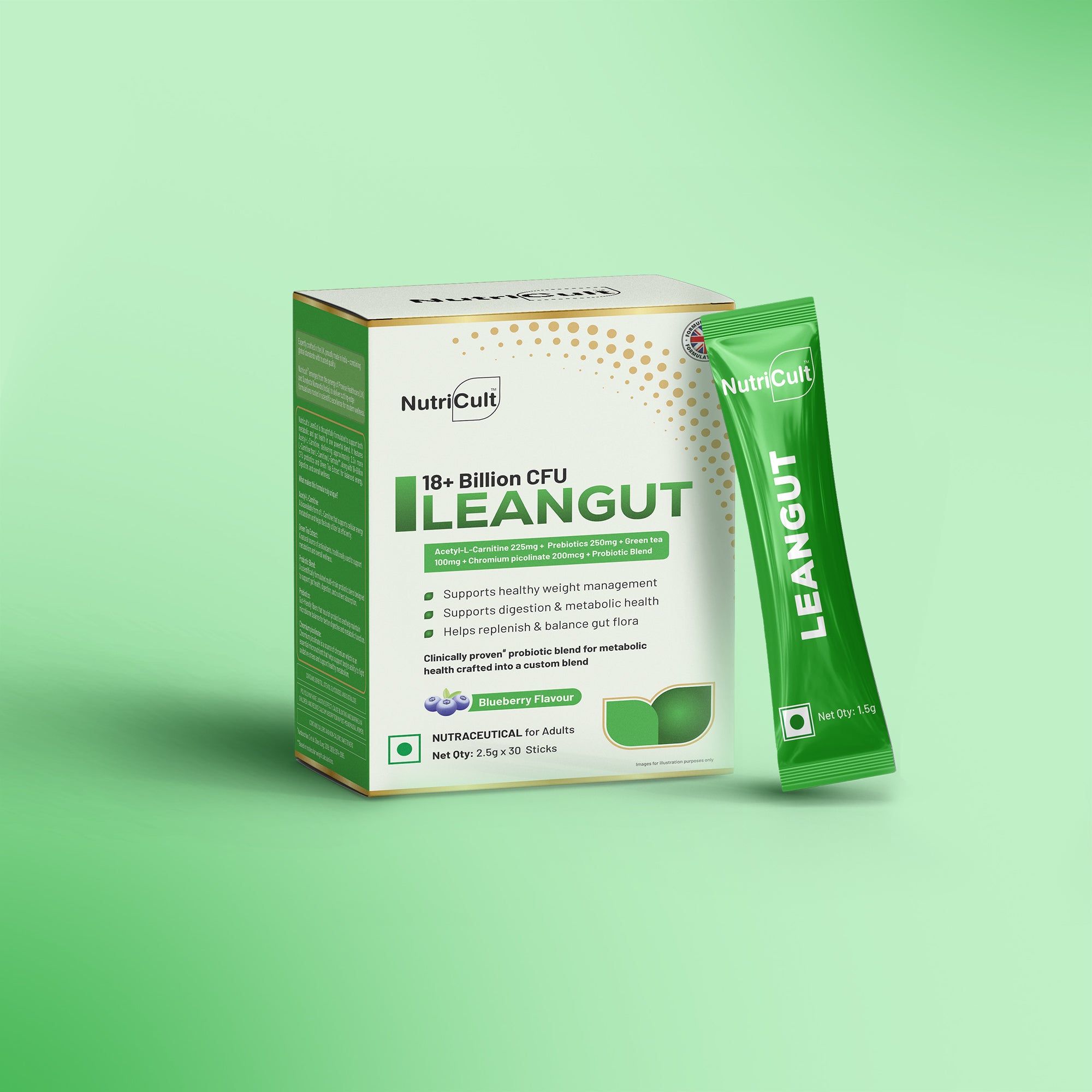
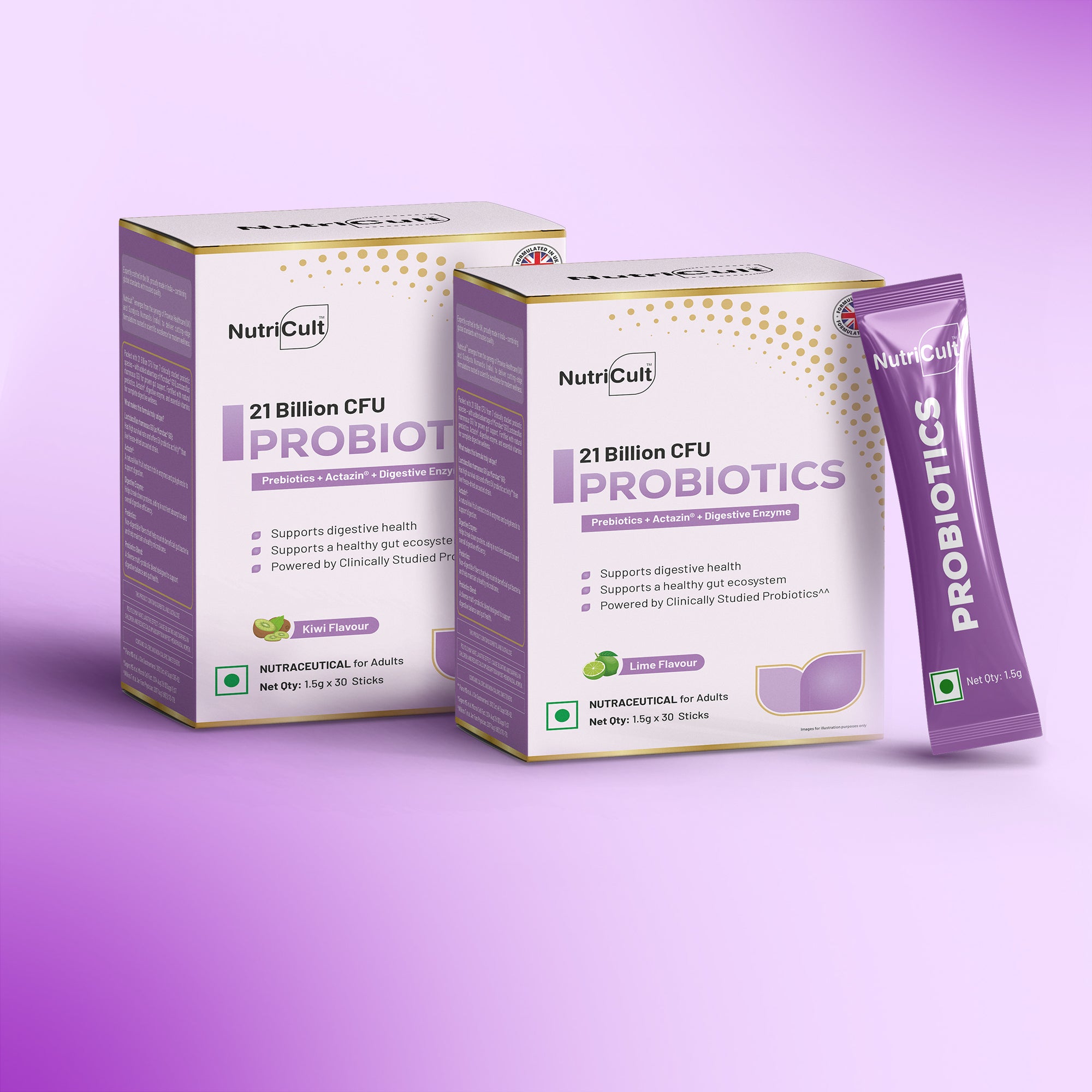
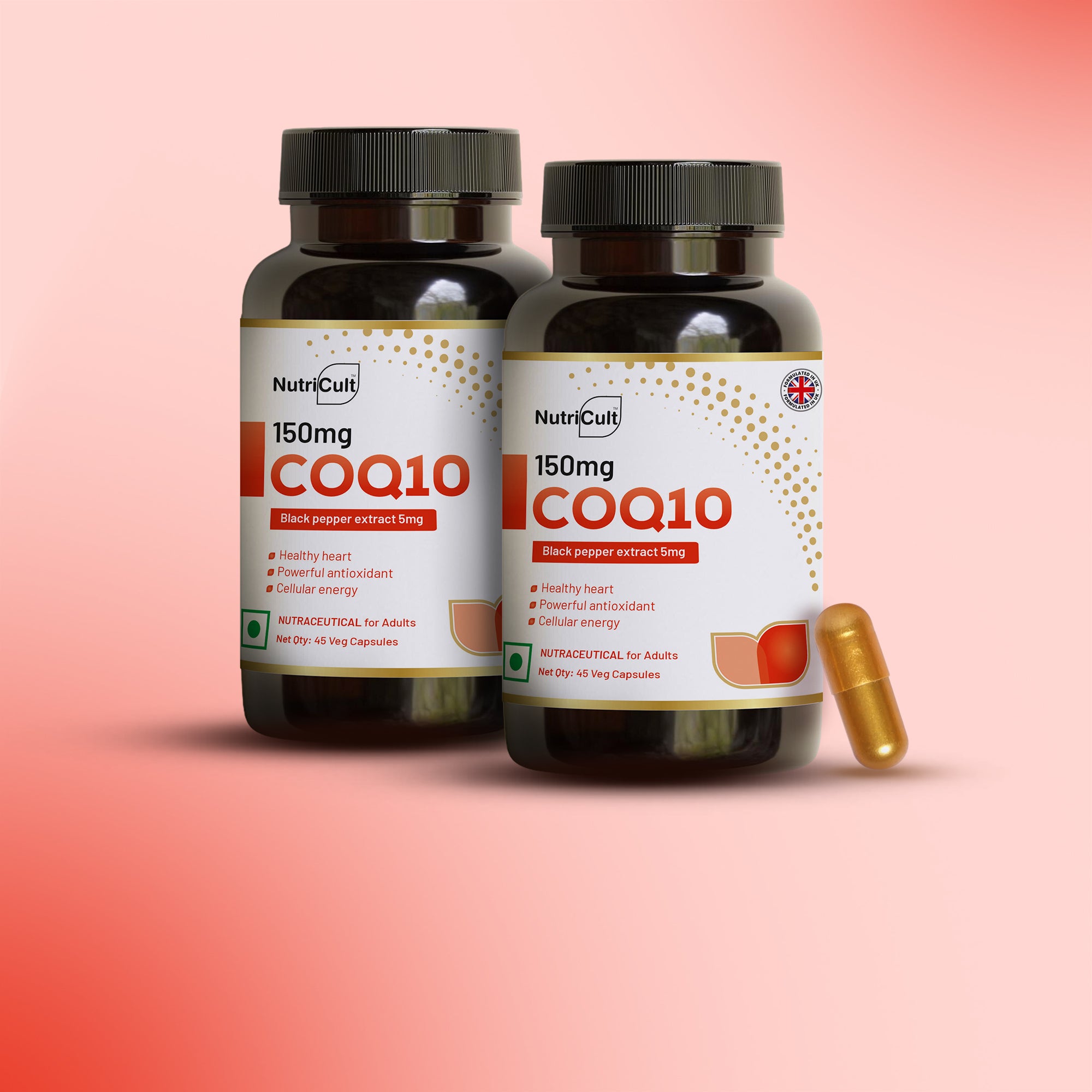
Explore Nutricult's wellness essentials, including gut health support and CoQ10 capsules, to complement your daily wellness routine.
Foods That Work Against Healthy Skin
While building a skin-healthy plate, it helps to limit what works against it. High-sugar and high-glycemic foods trigger glycation, a process that damages collagen and elastin fibers, while excessive alcohol generates free radicals that accelerate skin aging. This does not mean total elimination, but moderation matters as much as addition.
Putting a Skin-Healthy Diet Into Practice
No single food transforms skin overnight. What matters is consistency across a varied diet that covers vitamin C, vitamin E, omega-3s, zinc, and antioxidant carotenoids like lycopene and beta-carotene. Whole foods remain the foundation, but for people with dietary gaps, particularly those looking to support skin brightening and reduce oxidative stress, a science-backed supplement can complement a nutrient-dense diet rather than replace it.
Frequently Asked Questions
How long does it take for diet changes to show on the skin?
Skin cells typically turn over every four to six weeks, so most people notice visible improvements from dietary changes after about a month of consistent intake, with more significant changes over two to three months.
Can supplements replace these foods?
Randomized trials generally show whole foods outperform isolated supplements for long-term skin health, since foods provide a broader mix of nutrients and phytonutrients that work together. Supplements are best used to fill specific gaps, not as full replacements.
Are dairy products good or bad for skin?
Research is mixed. Some people notice more breakouts with dairy consumption, while others see no effect. It is worth monitoring your own skin's response rather than assuming a universal rule applies.
Which nutrient is most important for collagen production?
Vitamin C is essential for collagen synthesis, but it works alongside amino acids from protein and minerals like zinc and copper, so no single nutrient works in isolation.
Does drinking more water actually improve skin?
Adequate hydration supports overall skin function, but water alone will not fix dryness caused by a damaged skin barrier or nutrient deficiencies. It works best as one part of a broader approach.


