


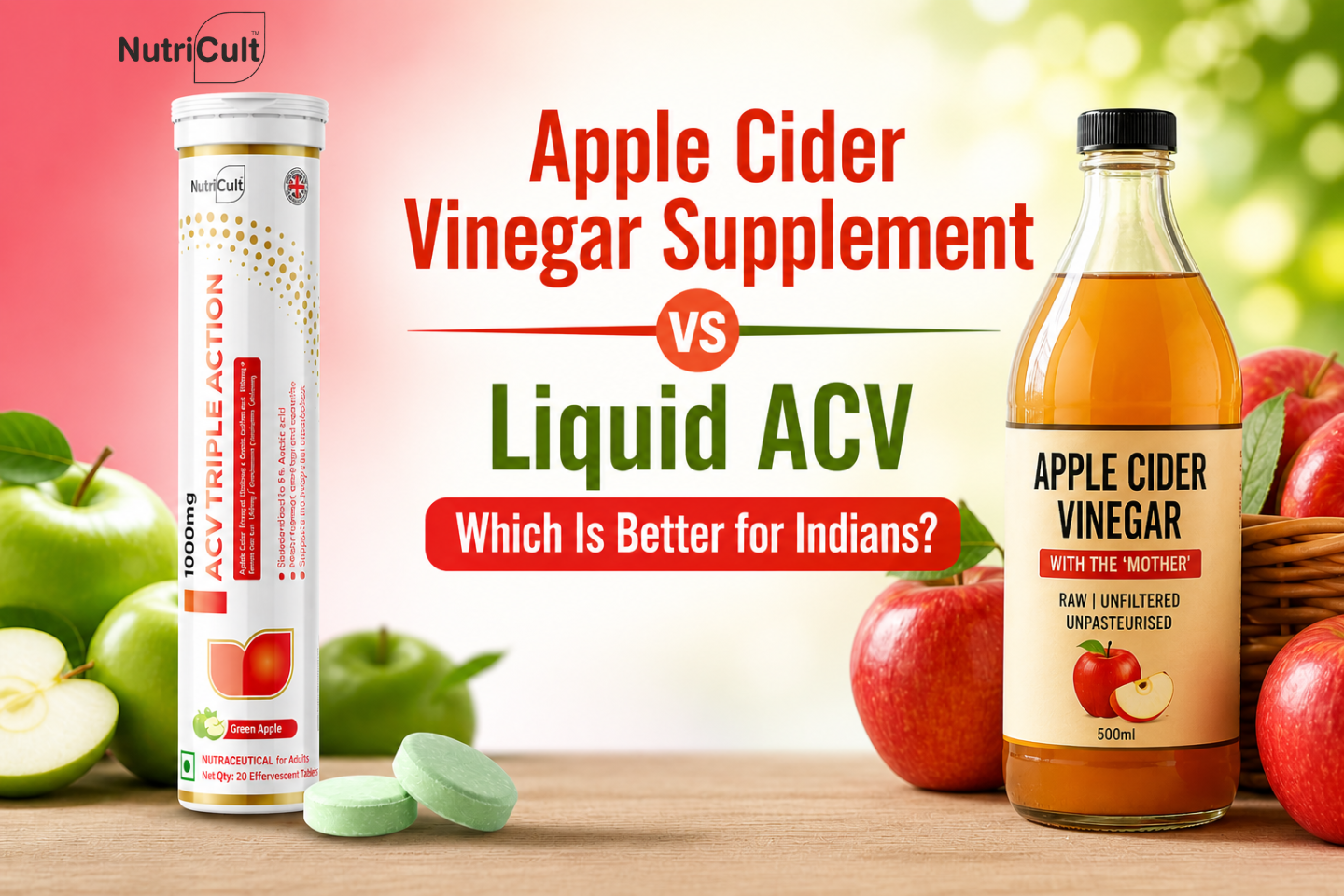
What Makes ACV Effective? The Acetic Acid Science
Apple cider vinegar's health benefits derive entirely from acetic acid — the compound produced during the fermentation of apple sugar by acetic acid bacteria. Acetic acid produces three clinically documented effects: it inhibits alpha-amylase and sucrase, the enzymes that break down starches and sucrose into glucose, reducing post-meal blood sugar spikes by 20 to 35%. It slows gastric emptying, extending the time food stays in the stomach and delaying glucose absorption — which increases satiety and reduces caloric intake at subsequent meals. It mildly stimulates gastric acid production, which is relevant for individuals with low stomach acid (hypochlorhydria) who experience incomplete protein digestion and bacterial overgrowth.
Problems with Daily Liquid ACV Consumption
Liquid apple cider vinegar has a pH of 2.5 to 3.5 — more acidic than many common acids. Daily exposure at this pH level erodes tooth enamel, a process that is irreversible. A single tablespoon of undiluted ACV contains enough acid to initiate measurable enamel softening with consistent exposure. Beyond dental erosion, liquid ACV causes oesophageal irritation and, in cases of high concentration or existing acid reflux, can worsen GERD symptoms. The taste and burn compliance barrier leads to inconsistent use — which eliminates the metabolic benefits that only appear with daily, consistent intake.
How ACV Supplements Solve These Problems
ACV supplement tablets encapsulate standardised acetic acid content in a form that bypasses the mouth and oesophagus entirely. The acid is only released in the stomach, where the gastric mucosa is designed to handle far higher acid concentrations. No enamel erosion. No throat burning. No oesophageal irritation. The standardised acetic acid content means each tablet delivers the same dose — unlike liquid ACV where mother-of-vinegar settling and bottle variation create dose inconsistency. Compliance with a tasteless tablet far exceeds compliance with a harsh-tasting liquid, and consistent daily use is the prerequisite for all documented ACV benefits.
Blood Sugar, Weight, and Digestion — The Three Core Benefits
A 2021 systematic review and meta-analysis of 9 randomised controlled trials found that ACV supplementation produced significant reductions in fasting blood glucose, postprandial blood glucose, and HbA1c in type 2 diabetic and pre-diabetic individuals. A separate meta-analysis found consistent modest reductions in body weight (mean 0.7 kg), BMI, and waist circumference over 12-week ACV protocols when combined with dietary changes. For digestion, ACV's gastric acid stimulation helps individuals with functional dyspepsia — a condition extremely common in urban India driven by chronic stress-induced low stomach acid.
FAQ
Q: Is ACV supplement as effective as liquid ACV?
A: Yes — the active compound is identical (acetic acid), and standardised supplements deliver a more consistent dose than liquid ACV where acidity varies between bottles. The critical advantage of tablets is compliance — consistent daily use over 12 weeks is what drives documented benefits, and tablets achieve this far better than daily liquid consumption.
Q: When should I take the ACV supplement?
A: Take 15 to 30 minutes before your largest carbohydrate-containing meal for maximum blood sugar and appetite regulation effects.
Q: Can people with diabetes take ACV supplements?
A: ACV can reduce post-meal blood glucose spikes. However, if you are on diabetes medications (metformin, insulin, SGLT2 inhibitors), ACV's glucose-lowering effect may compound medication effects. Consult your physician before adding ACV supplementation alongside diabetes medications.
Q: Does ACV help with weight loss?
A: ACV produces modest, consistent effects on body weight through two mechanisms: reduced post-meal glucose spikes lower insulin-driven fat storage, and delayed gastric emptying reduces appetite and caloric intake. Meta-analyses show mean weight reductions of 0.5 to 1 kg over 12 weeks — meaningful as part of a comprehensive weight management protocol, not as a standalone solution.


